
|
Massage therapy can help you to develop a new level of self-awareness and improve your mental and physical health and well-being. By being aware of how you hold your body, how your daily routine can take its toll on your mind, and how stress can physically and negatively impact you, is important to leading a happy and healthy lifestyle.
0 Comments
You have probably indulged in a massage during a day at the spa, and if so, you have experienced the positive effects it has on your body, mind, and soul. Why, then, are massages so often reserved for special occasions, considered luxuries rather than incorporated into our regular wellness routines?
Massage is every bit as important to your health and well-being as diet and exercise. Every part of your body is interconnected, and physical or psychological stress can have damaging effects on the many systems of your bodies and your overall well-being. Whether you are a serious athlete or work a desk job, the first thing you must consider in respect to your health and mental wellness is your posture. We all know that we should strive for good posture, but not many of us take it seriously, unaware that the curvature of our spines affects far more than our appearance. The truth is, in addition to creating aches and pains in your upper body, poor posture limits the brain’s ability to communicate with the rest of the body, thereby contributing to the decline of your nervous system and causing migraines, high blood pressure, heart disease, reduced lung function, stress, anxiety, gastrointestinal pain, and more. All of these health issues make it nearly impossible to live out a normal life, let alone an active one, but unfortunately, poor posture is an all too common occurrence. Part of the reason why so many people have issues with their posture and suffer consequent health problems is because the position in which they sleep puts stress on the spine. Whether you sleep on your side, back, or stomach, there will inevitably be gaps between your body and the mattress, which throws your body out of alignment, resulting in pain when you wake up. Sleeping position is not the only culprit, however. Sitting at a desk chair for hours on end will ultimately cause you to slouchy our shoulders, become tight through your lower back, and experience grueling back pain over time. An active lifestyle may seem like the easy solution, but that does not come without its own risks; if you are not working out correctly or regularly integrating exercises to improve your posture into your fitness routine, then you will be strengthening the incorrect muscles and throwing yourself out of balance. Whether you are an athlete, office worker, or anything in between, your poor posture ultimately boils down to bad habits, most of which you probably aren’t even aware of. Muscle imbalances will naturally cause you to slouch your shoulders, and much more severe health issues will arise from this simple issue. That is why massage is so imperative for your health and wellness. The holistic treatment does not only relax the body, relieve areas of pain, and help realign the spine; it relaxes the mind and soul as well. Massage will not only improve your posture and save your nervous system; its healing properties also help manage existing malaises, including anxiety, headaches, soft tissue injuries, sports injuries, and more, making it an essential aspect of your fitness program. The wealth of benefits have yet to be utilized by many who still consider massage an indulgence to enjoy on special occasions. North London Massage Therapy will help you tap into the healing powers of massage by customising a treatment to suit your individual lifestyle. Ever heard of the lobster theory?
No? ... Enjoy. Everyone at some point will go through some level of stress, whether a child needing attention, adolescence going through college and exams, to adults and all the stresses that come from that, but… not all stress is so terrible. Take our humble lobster… we can learn a great deal about stress from these creatures. For a lobster to grow and develop, they must go through copious amounts of stress and pressure. Inside the shell of a lobster is a mushy animal, now whilst they may be mushy on the inside, their shells stay the same. Now as the lobster grows it become confined, uncomfortable and pressure starts to build within the shell. So, what do they do? They release their shell and hide under coral formations so not to be eaten. Thank goodness we don’t have THAT kind of stress… talk about being vulnerable. Whilst they are hiding, they form their new shell, but, in time that shell too will become tight and pressure once again will start building up. Lets say now, the lobster could go to the doctor and pick up some stress reliving medication, they wouldn’t ever feel stress or feel the need to ditch their shell. The idea is that in times of adversity, stress and feeling uncomfortable, we can learn, create and develop a better self-awareness, so that we too can grow through times of adversity. When the body is physically or psychologically stressed the body shifts its energy resources in fighting off what is a perceived threat and we go into what is known as our fight or flight response and this has different effects on each of our systems in the body to which there are:
The nervous system - stress on the nervous system signals to the adrenal glands to release adrenaline and cortisol, these hormones make the heart beat faster, raise blood pressure, change the digestive system and boost glucose levels in the bloodstream, once the crisis has passed usually the system returns to normal. The musculoskeletal system – Under stress, muscles tense up, the contraction of muscles in extended periods of time can trigger, headaches, migraines and other variety of conditions. Therefore, it is important to make sure that we stretch before and after any workout routines, whether at the gym, swimming or running. This is one of many reasons as to why massage is important, to have a therapist that can manually assist In the relaxation of the muscles, tight muscles pull on bodies skeletal structures and create compensations within the body, Yoga and Pilates are also good ways of keeping the body supple and soft as well as creating strength. The respiratory system – stress can make you breathe harder known as hyperventilation, which can bring on panic attacks in some people and of course the total opposite is when we are scared/nervous and for those who have anxiety tend to hold on to our breathe which in turn creates the contraction in the muscular system. therefore, is it so important to remember to breathe, an take nice slow controlled breathe, in through the nose and out through the mouth… this is something that can be practiced and within time can become second nature… you might have even heard therapists or instructors asking you to breathe… why not try it now take a nice slow full breathe in through the nose and slowly exhale out through the mouth, try this a few times and see how you feel. Cardiovascular system – we call this acute stress, and it is momentary, stuck in traffic, waiting for an important phone call, generally making life’s little tough decisions, and what this does is increase the heart rate, creates stronger contractions in the heart muscles and dilates the function of heart. In turn it increases the amount of blood pumped to the part of the body. Repeat episodes of acute stress can cause inflammation of the coronary arteries and thought to lead to heart attacks. Which is why its so important to breathe. Endocrine system – So the endocrine system essentially is the part of the body that releases hormones and chemicals, we are going to talk specifically about the liver and the adrenal glands. When the body is stressed, the brain sends signals from the part of our brain called the hypothalamus, causing the adrenal cortex to produce cortisol and the adrenal medulla to produce epinephrine, this is otherwise known as “the stress hormone” and when these hormones are released from the liver it produces more glucose into our bodies, which gives us the energy for this fight or flight response, do we need the energy to run or do we need it to fight, and if ever you’ve been in a heated argument and notice you might be shaking or trembling, this this why. Reproductive system – In men, excess amounts of this stress hormone (cortisol an epinephrine) can affect the normal functioning of the reproductive system, chronic stress can impair testosterone, effecting sperm production and cause impotence. In woman stress can absent, cause irregular menstrual cycles or more painful periods, it can also reduce libido. Gastrointestinal system – This is everything from your oesophagus to your stomach and your intestines (bowels). Stress can have a knock on effect to our maladaptive coping mechanism (habits) it may prompt us to eat more OR less than we usually would, if you’re a smoker you may increase your cigarette intake or if you tend to enjoy a drink once in a while it may increase your level of alcohol intake, these things may make you experience things like heartburn or acid reflux. With stress come the “butterfly” feeling we get in our stomach or in some cases nausea, as we travel further down to our bowels, stress can effect then the digest of the food we process and to which your intestines absorb the nutrients, regarding our “fight or flight” response. You may find that you have either diarrhoea or constipation. Deep Tissue Massage
Designed to relieve severe tension in the muscle and the connective tissue or fascia. This type of massage focuses on the muscles located below the surface of the top muscles. Some of the techniques are similar to classic massage but the movements are slower and the pressure deeper and more concentrated on areas of tension and pain. Deep tissue massage is usually recommended for people who experience constant pain, are involved in physical activity and people who have sustained physical injury. Seated Acupressure Massage This is a fully clothed massage. The massage chair supports your body weight, exposing scalp, neck, shoulders and back. Ideal for quick relief for tension, aches and pain. No oils are used in this massage making it good for those on the go, as well as those wanting to indulge in a full treatment to get optimum relaxation. Aromatherapy incorporates pure concentration of essential oils to relieve stress, revive and rejuvenate or relax muscles, whichever the case maybe. To help you reach your desired results, the therapist will target specific pressure points, and utilise stretching and deep tissue techniques to invigorate, re-align and restore balance. The perfect solution to help you relax is defined as the art and science of utilising naturally extracted aromatic essences to balance, harmonise and promote the health of mind, body and soul. Swedish massage is the model that comes to mind when most people think about massage. It combines various hands on techniques including gliding, kneading, stretching, friction and cross fibre friction to break up muscle knots called adhesions. Swedish massage is perfect for loosening stiff joints and reducing muscle tension. Swedish massage is the model that comes to mind when most people think about massage. It combines various hands on techniques including gliding, kneading, stretching, friction and cross fibre friction to break up muscle knots called adhesions.
The main purpose of Swedish massage is to increase the oxygen flow in the blood and release toxins from the muscles. Swedish massage is a gentle rhythmic massage administered to relax soft body tissue and facilitate healing. It is lighter in touch than other forms of massage and includes long flowing stokes across the back, stimulating circulation, then massage of the arms, neck and shoulders. Swedish massage is perfect for loosening stiff joints and reducing muscle tension Aromatherapy incorporates pure concentration of essential oils to relieve stress, revive and rejuvenate or relax muscles, whichever the case maybe. To help you reach your desired results, the therapist will target specific pressure points, and utilise stretching and deep tissue techniques to invigorate, re-align and restore balance.
The perfect solution to help you relax is defined as the art and science of utilising naturally extracted aromatic essences to balance, harmonise and promote the health of mind, body and soul. Aromatherapy is an individual form of healing which involves using aromatherapy essential oils (such as lavender, peppermint or geranium) to treat the entire person rather than just addressing the symptoms. Aromatherapy massage is the alternative therapeutic technique which combines the natural properties of the essential oils and the healing power of massage therapy. This type of massage promotes great relaxation and is a rejuvenating experience. When the mind is stressed, we feel ill at ease with ourselves and in time this can affect the body. This state can have many causes i.e. pressure of work, incorrect diet, relationships, family, fear of the future, finances, and these are just a few. The massage, which helps relieve tension, will drain lymph fluid and improve circulation; it will also help to rejuvenate the body, removing aches and pains and generally promote balanced good health. When the body is balanced, problems seem to disappear. 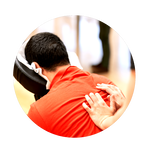 This is a fully clothed massage. The massage chair supports your body weight, exposing scalp, neck, shoulders and back. Ideal for quick relief for tension, aches and pain. No oils are used in this massage making it good for those on the go, as well as those wanting to indulge in a full treatment to get optimum relaxation.
Seated Acupressure has many benefits including:
This treatment is also beneficial to people with bad posture. If you are at a desk for long periods of time or drive for hours on end. Corporate/on-site events are available for companies looking to reward their staff, help productivity, increase employee retention, decrease workers compensation claims, boost office morale and for letting your team know you care about their wellbeing in the workplace. 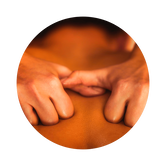 Deep tissue massage is designed to relieve severe tension in the muscle and the connective tissue or fascia. This type of massage focuses on the muscles located below the surface of the top muscles. Some of the techniques are similar to classic massage but the movements are slower and the pressure deeper and more concentrated on areas of tension and pain.
Deep tissue massage is usually recommended for people who experience constant pain, are involved in physical activity and people who have sustained physical injury. When there is chronic muscle tension or injury, there are normally adhesions (bands of painful tissue) in muscles, tendons and ligaments. These can block circulation and cause pain, limit movement and inflammation. Deep tissue massage works by physically breaking down these adhesions to relieve pain and restore normal movement. To do this, the therapist often uses direct deep pressure or friction applied across the grain of the muscles. Deep tissue massage shouldn't hurt, but it's likely to be a little more uncomfortable than a classic Swedish massage. Usually the therapist will only use their hand and forearm, however with a deep tissue massage, elbows and fingers may be used for optimal penetration of the muscle. Feel free to speak up if the pressure is too much for you. A deep tissue massage helps:
|
Joshua
|
 RSS Feed

|
Referral reward: Refer 1 client get £15 off next booking Refer 2 clients get £30 off next booking Refer 3 clients get £50 off next booking T's and C's referral must have booked and received treatment to claim £10 off |
For Enquiries please call Joshua:
07990163392 |
|
All content (c) North London Massage Therapy 2020. Terms & Conditions
|
Site powered by EquiConsulting
|